
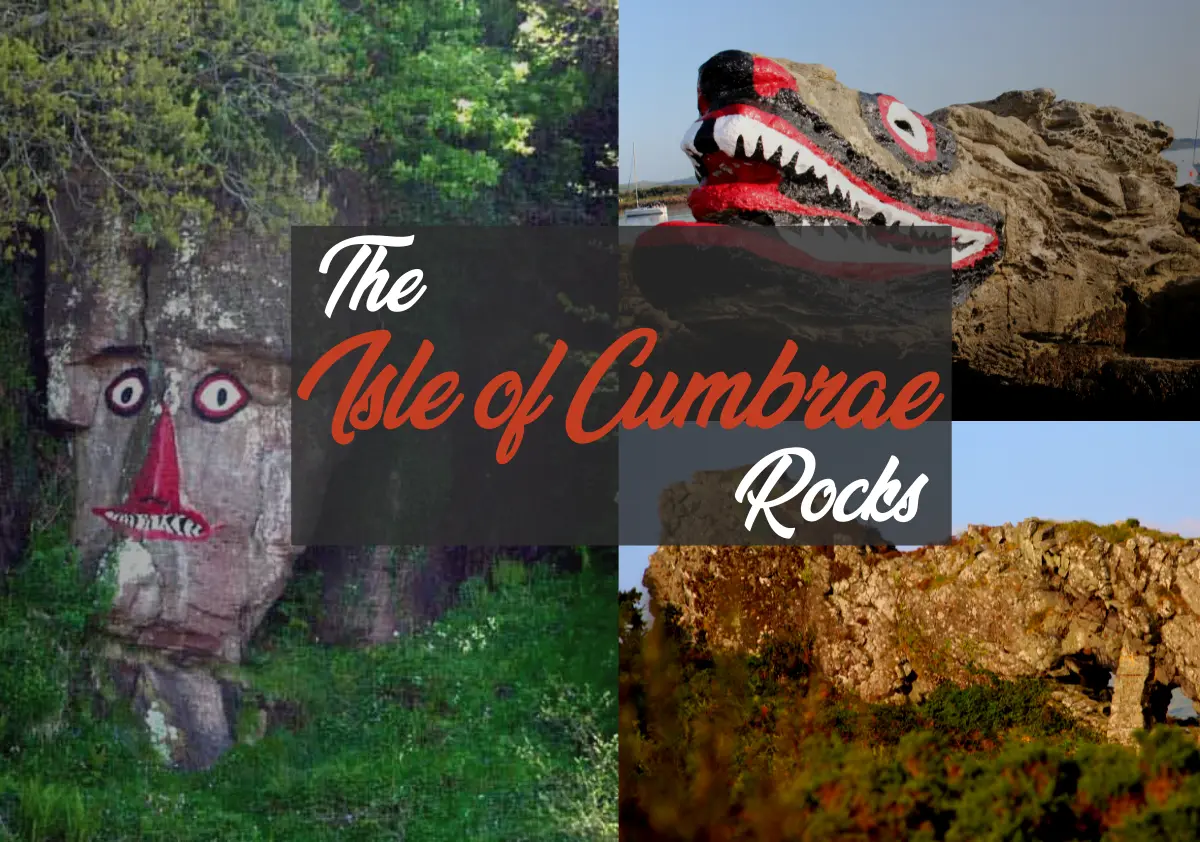

Known as “Scotland’s Most Accessible Island”, The Isle of Cumbrae boasts amazing scenery, walks, wildlife, experiences, and spectacular views across the River Clyde.
But there’s something else quite special about this wee island.
It is home to a collection of quirky rock formations that are scattered around the island. Over the years these rocks have become famous landmarks and they’re bound to catch your eye as you’re travelling around the island’s 10-mile outer circuit.
Feel free to skip right through: ⤵️
Crocodile Rock 🐊
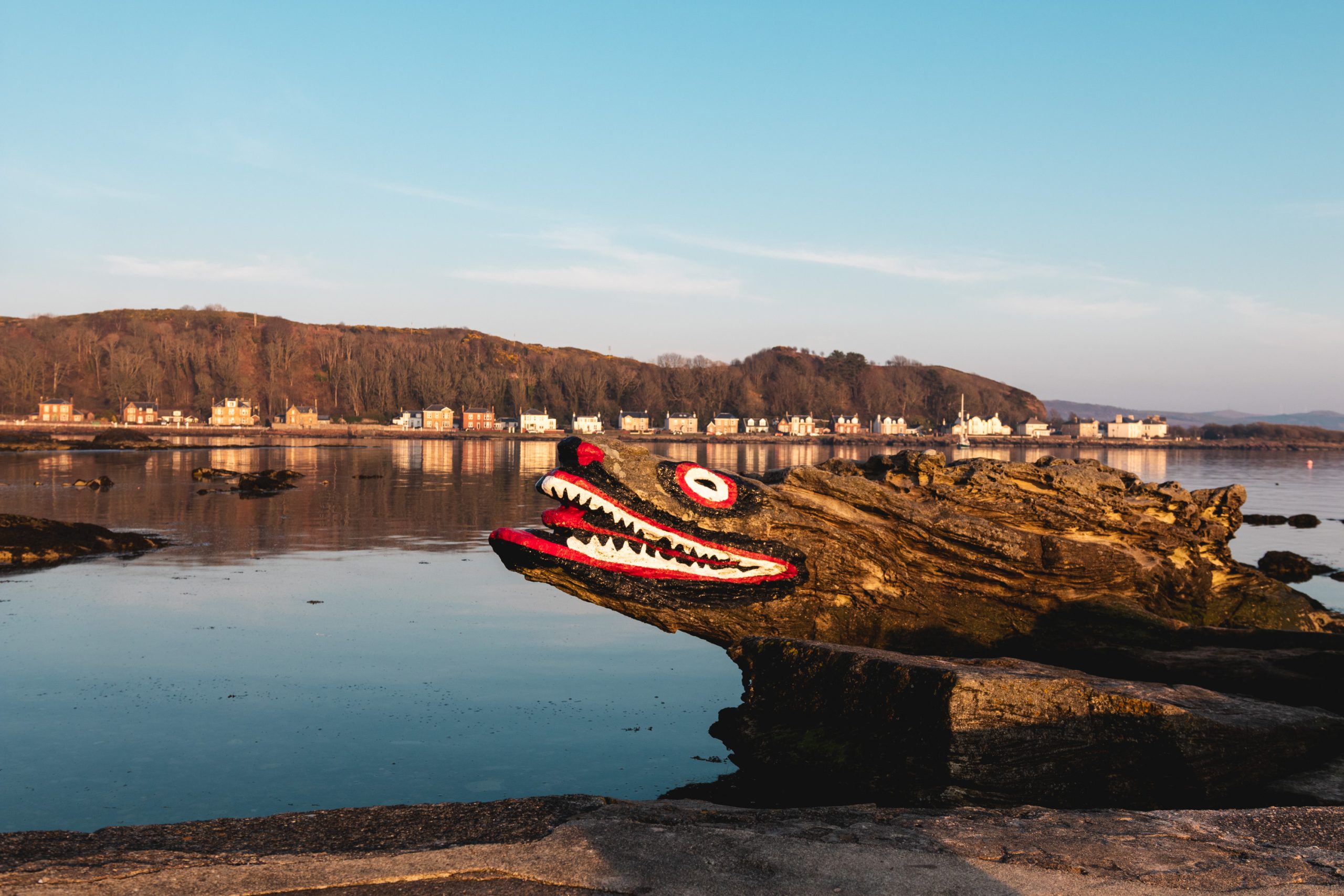
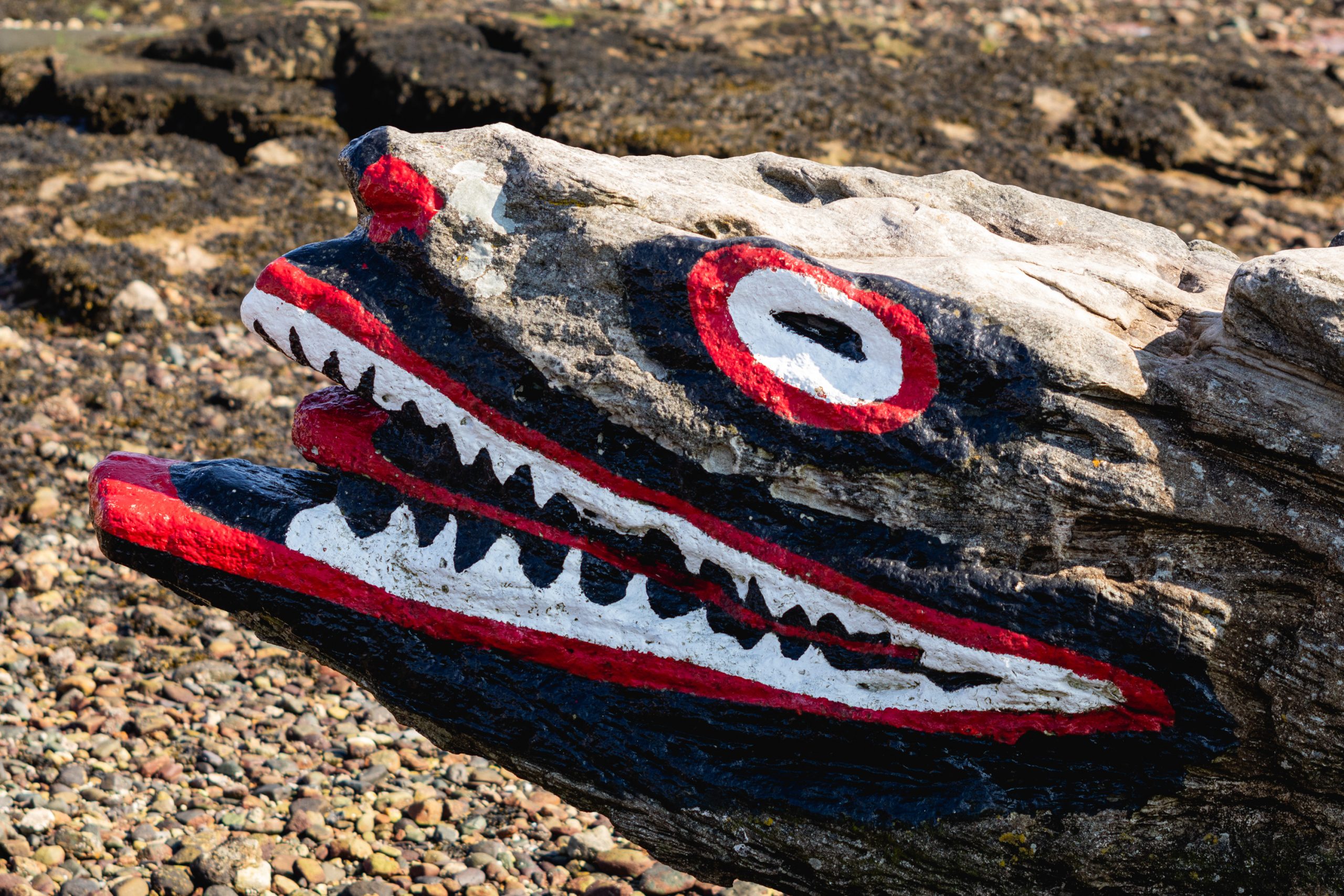
A bizarre stone beast lurking on the shores of Millport bay… Fortunately, you’ll find that it’s more amusing than alarming.
This Crocodile Rock can be found on the beach in Millport town and is the most recognisable out of all the rocks. In fact, it’s actually considered to be one of Scotland’s “quirkiest, best-known landmarks”.
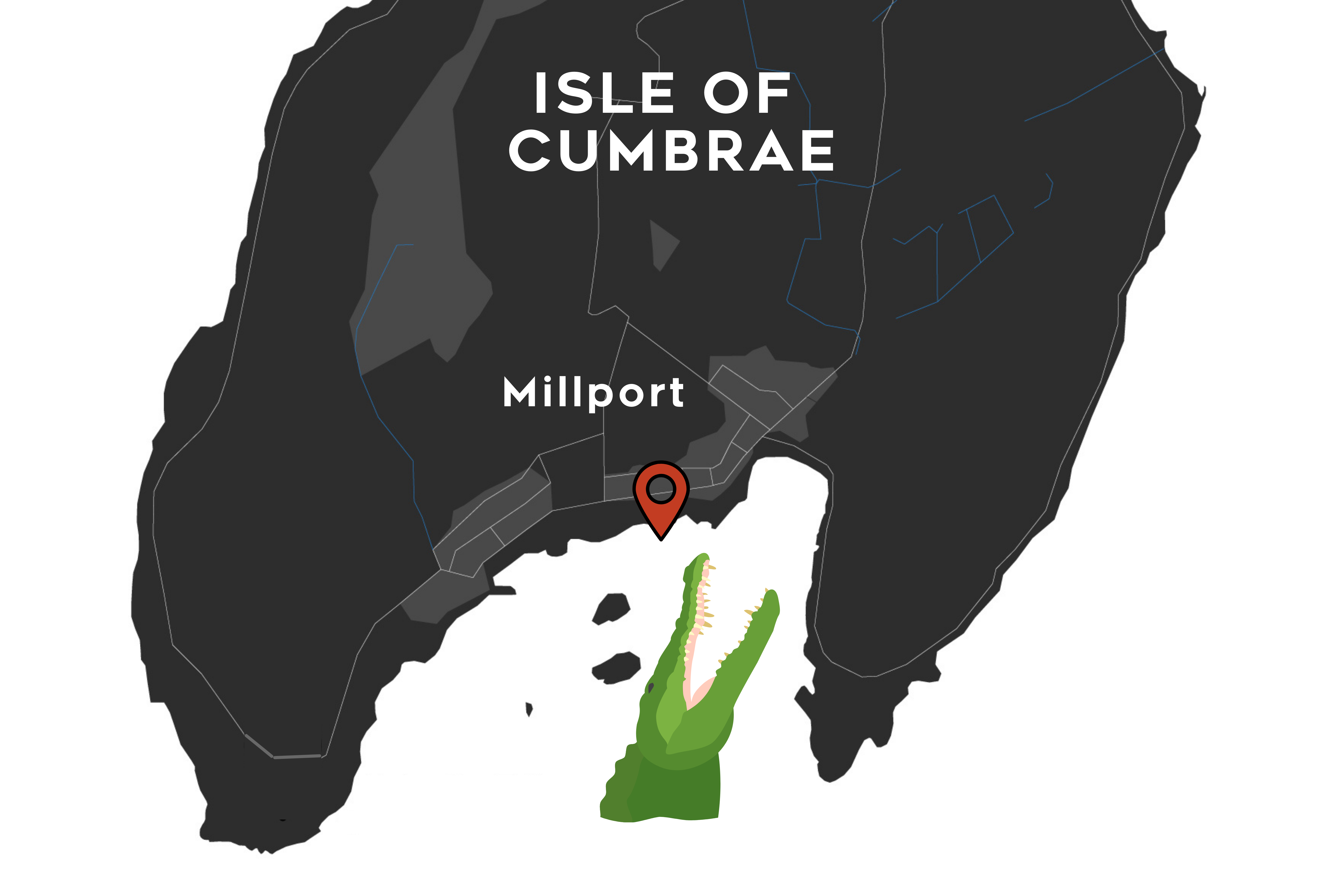
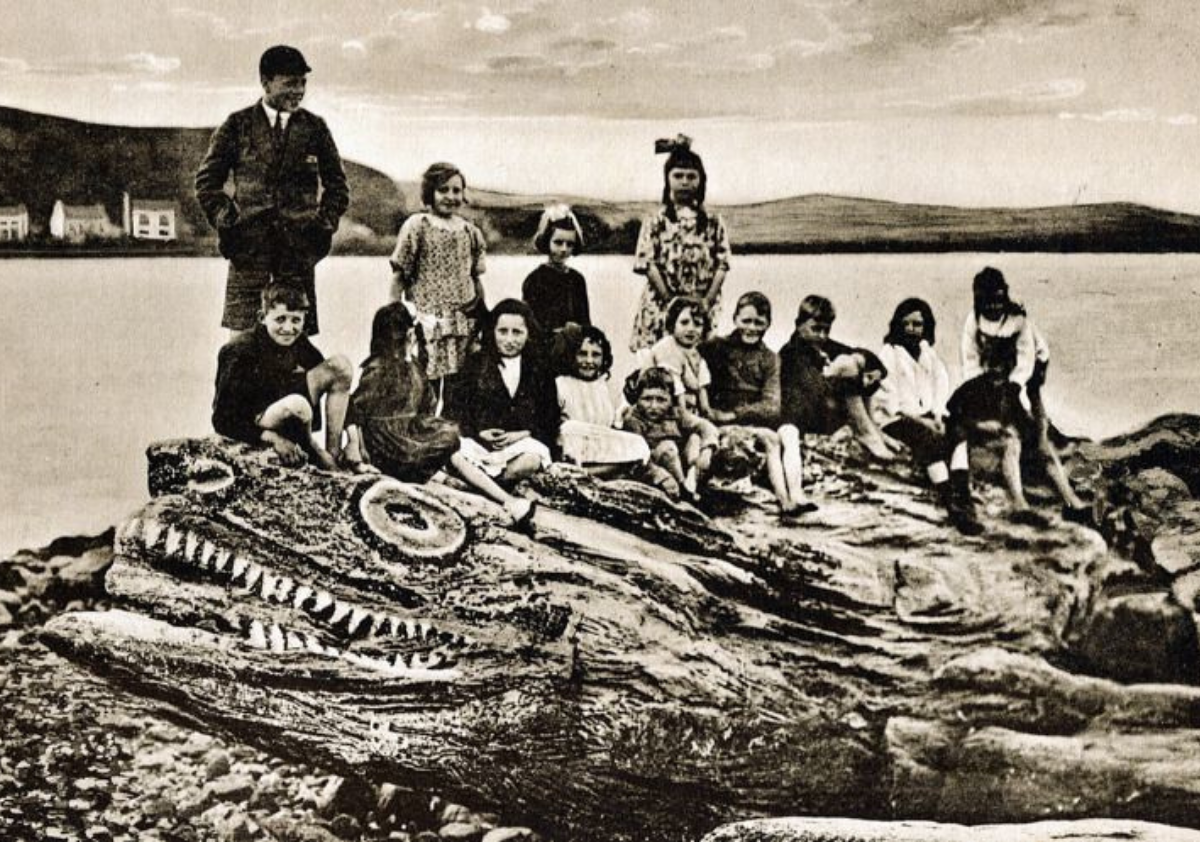
In 2013 the crocodile marked it’s 100-year anniversary which now makes the crocodile 109 years old – pretty good going if you ask me!
But how did the Crocodile Rock come to be? Well… the story goes, one day back in 1913, a local artist by the name of Robert Brown was having a couple of lunchtime pints – as you do – in Millport’s Tavern Bar.
Robert’s nickname happened to be ‘Tadger’. I’m not sure why, and I’m not sure if I want to know…
Anyway, as he stumbled along the promenade, he noticed that a group of rocks along the shore bared a certain reptilian resemblance. In his perhaps typsy state, he decided that he would head home to grab his paints and brush, and returned to create what we now know as the Crocodile Rock.
The croc’s world-famous face is now kept freshly painted ahead of each summer season by volunteers from the local Burns Club.
Crocodile Rock has been quite the inspiration for many local businesses since. For example, the Isle of Cumbrae Distillers latest creation is called the ‘Croc Rock’ gin – a gin that has quite the snap…
(I’ve made some terrible puns in my time, but that’s gotta be down there with the worst.)
Anyway, you’ll also see businesses around the town with names like the ‘Crocodeli’, The ‘Croc Rock studio apartment’ AirBnb, and the Crocodile chippy.
It’s even inspired local menu items, like Crocodile Style Chips from the that same chippy, and the Crocodile Style Burger from the local Burger Shack, which let me tell you, has quite the bite…
Right, that’s the end of the puns, I promise.
Back to Menu ⤴️
Lion Rock 🦁
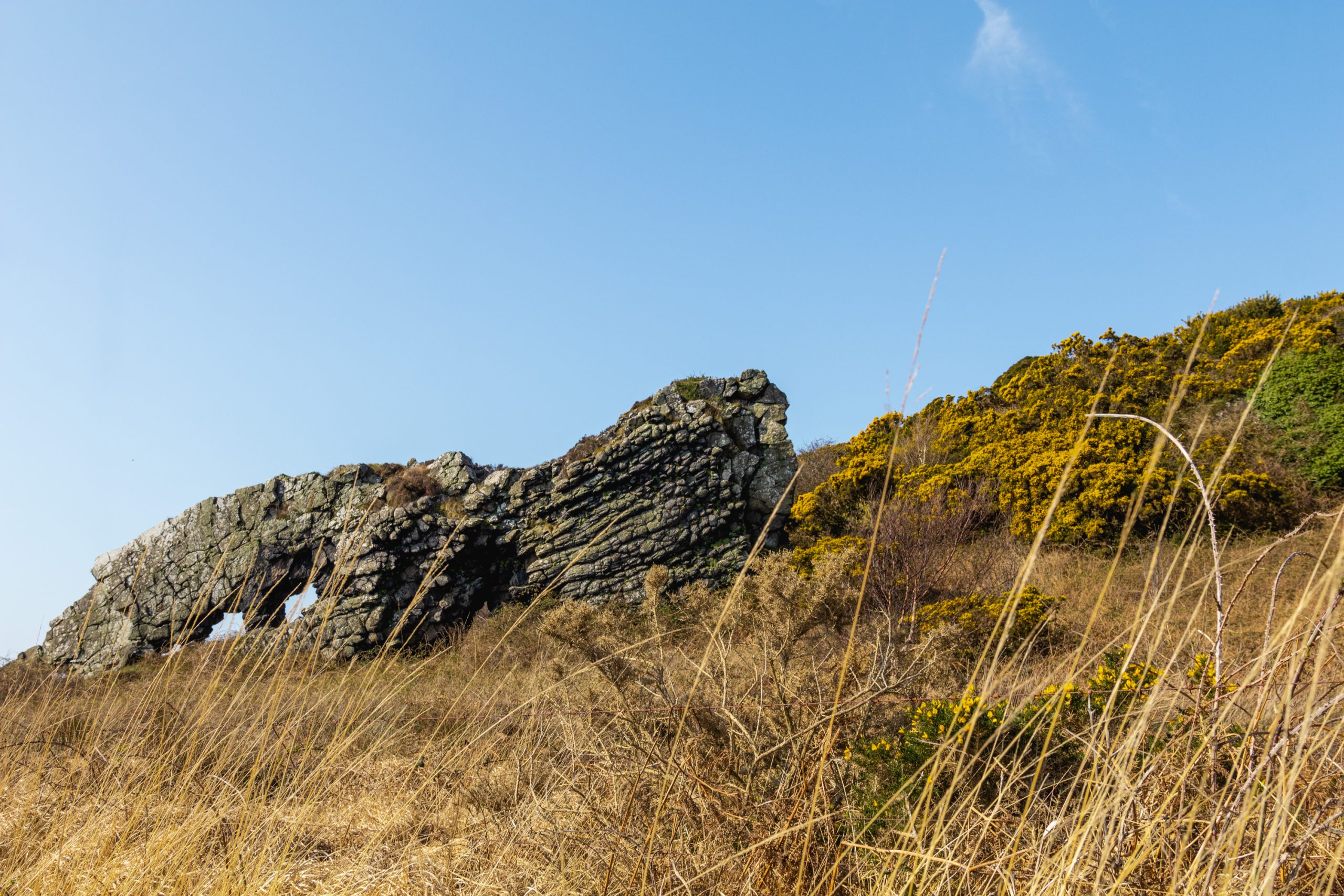
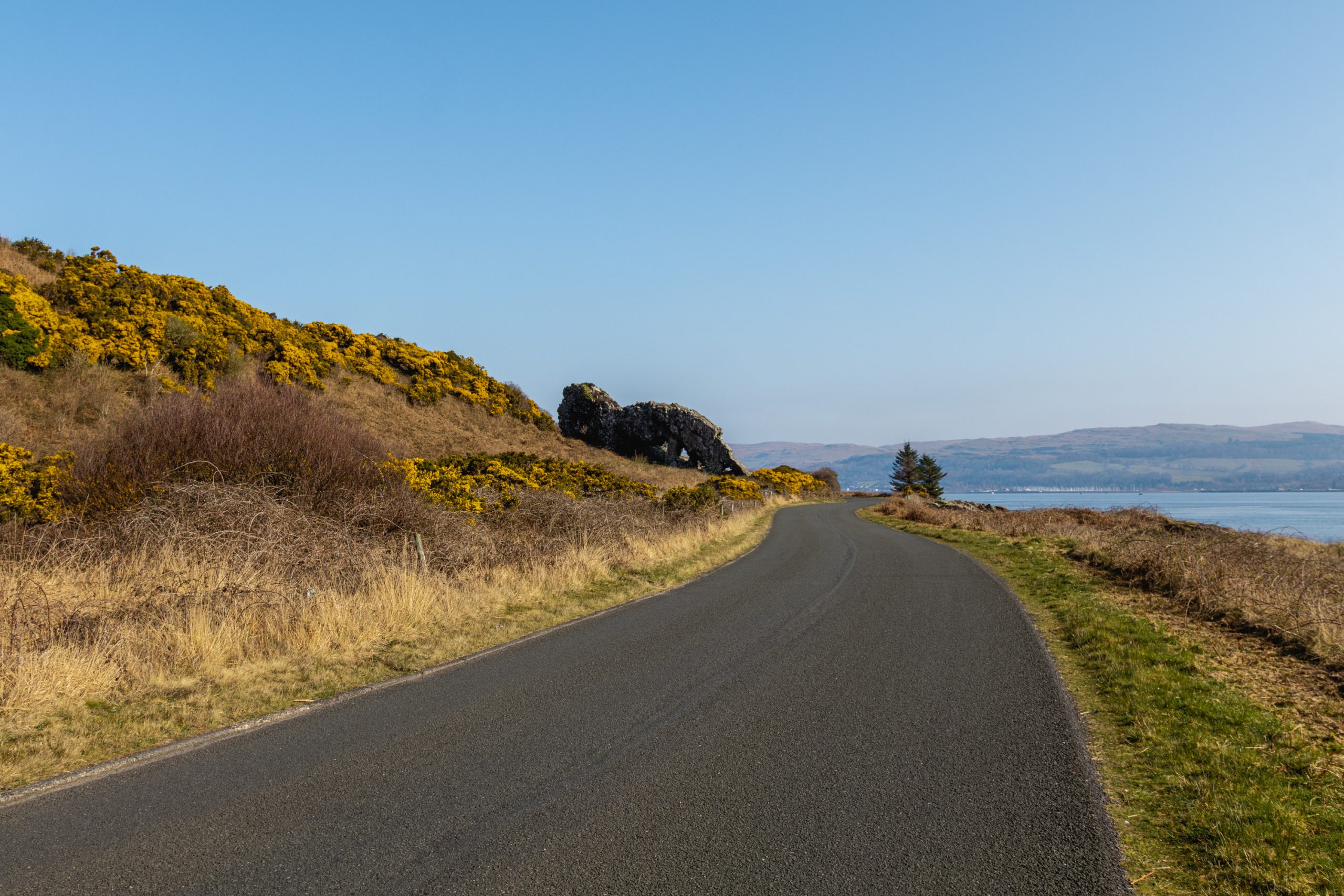
You’ll find the Lion Rock sitting proudly on the east side of the Isle of Cumbrae. It’s like something straight out of the pride lands of the Lion King movie.
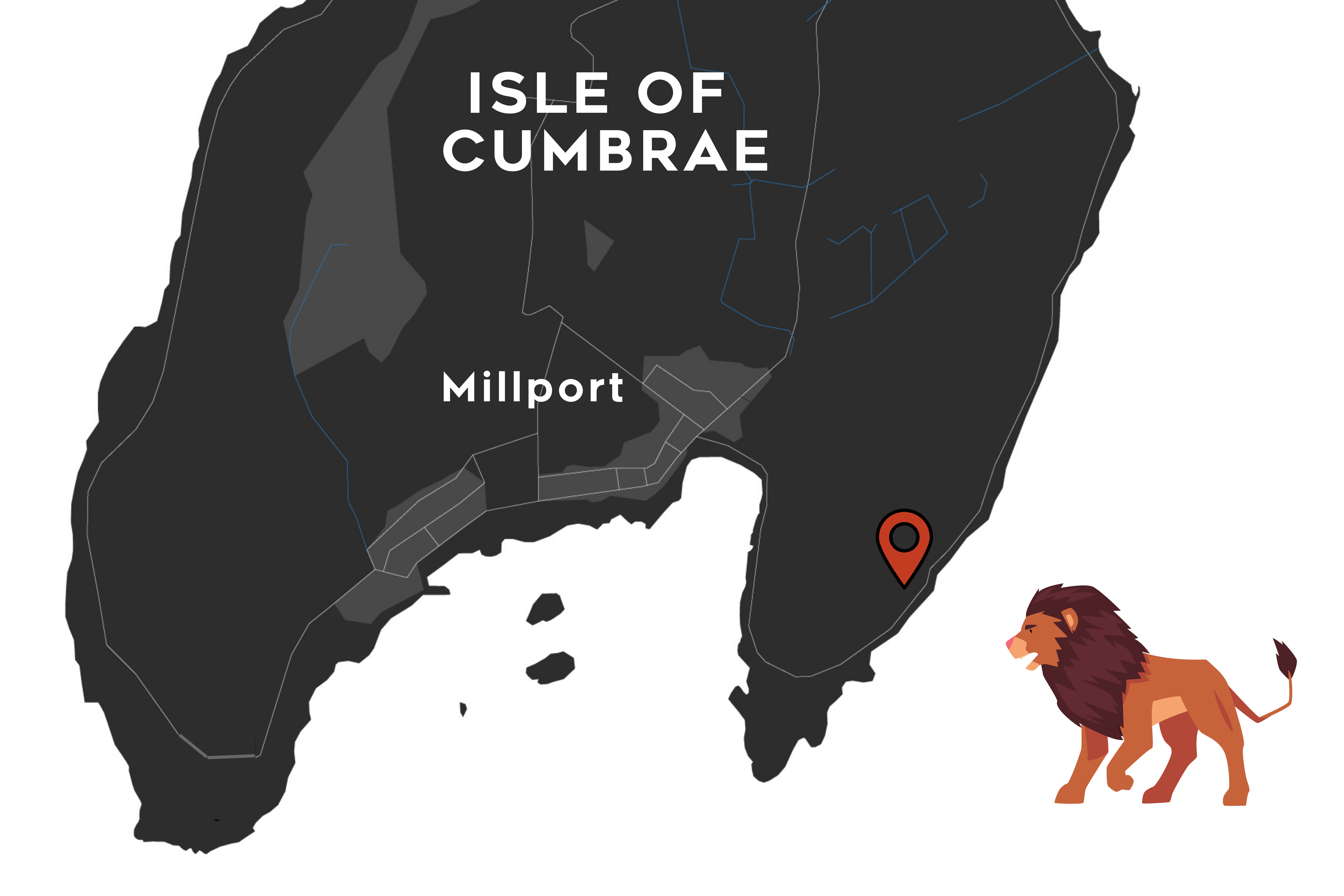
The pre-historic rock formation is 10 meters high, 50 meters long, and has been about for 65 million years, believe it or not.
Its unique lion shape was caused by a dyke of Labradorite rock intruding into the existing Old Red Sandstone (that’s geology talk for one rock forcing itself inside another).
Then in the last ice age, the shifting glaciers wore down the soft sandstone, exposing the labradorite dyke which has since been weathered to the shape resembling a lion that we see today:
Back to Menu ⤴️
Planning your visit to the Isle of Cumbrae? 📝
This blog post is part of our ‘Ultimate Guide’ to the island. Check it out by clicking the link below:
-
Fancy a Unique Stay on The Isle of Cumbrae?…
Check out our One-of-a-kind Hot Tub Cabin Concept in Millport.
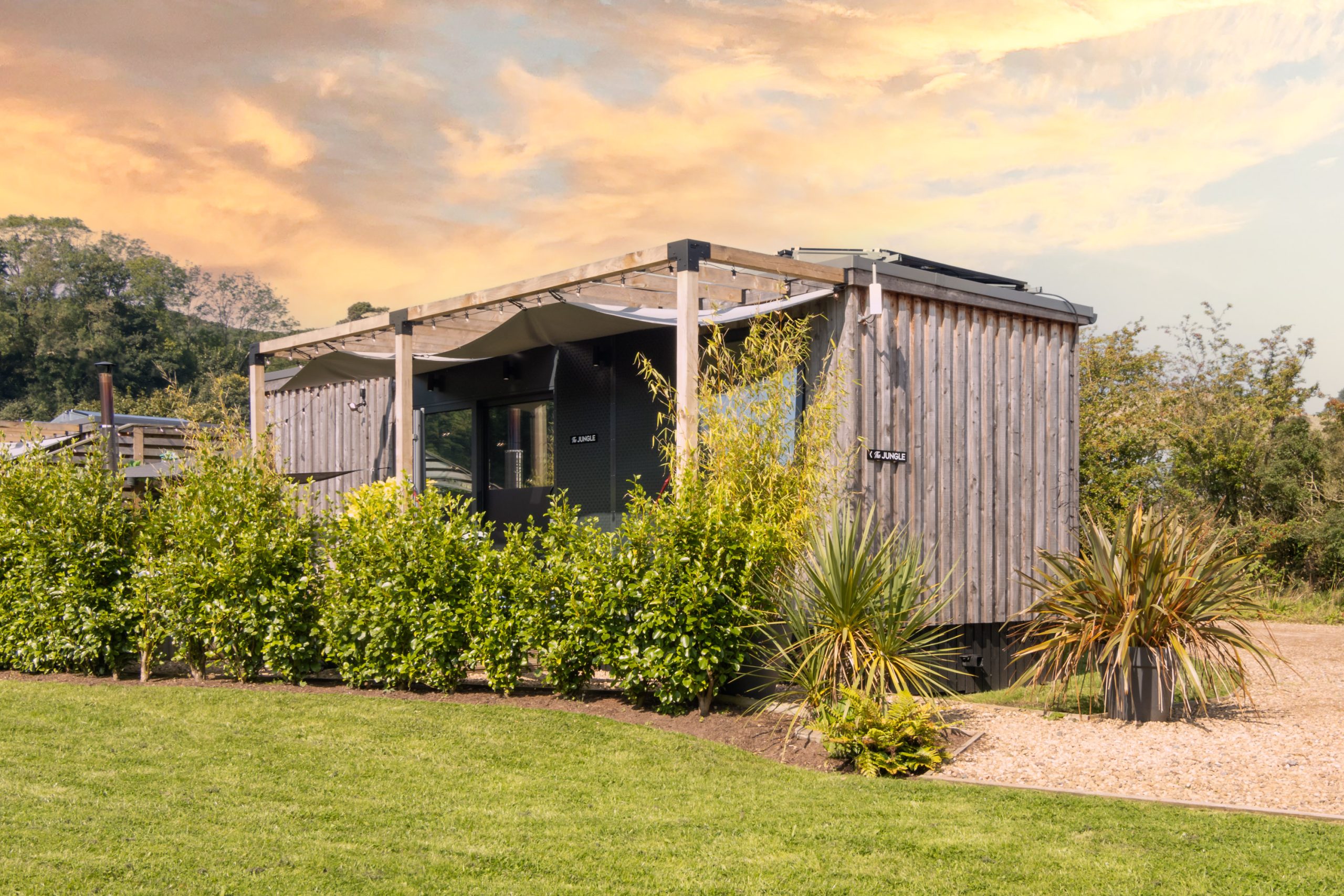
Welcome to the next generation of self-catering accommodation in Scotland.
We think of our one-of-a-kind Cabin Concept as a crossroads where quirky interior design meets eco-consciousness, in a stunning island setting.
👉 Discover The Cabins
Indian Rock 🪨
Now, this guy is slightly harder to spot – The Indian Rock. You’ll find this landmark tucked away in the trees as you’re coming round the west side of the island. Not going to lie… he’s a wee bit creepy.
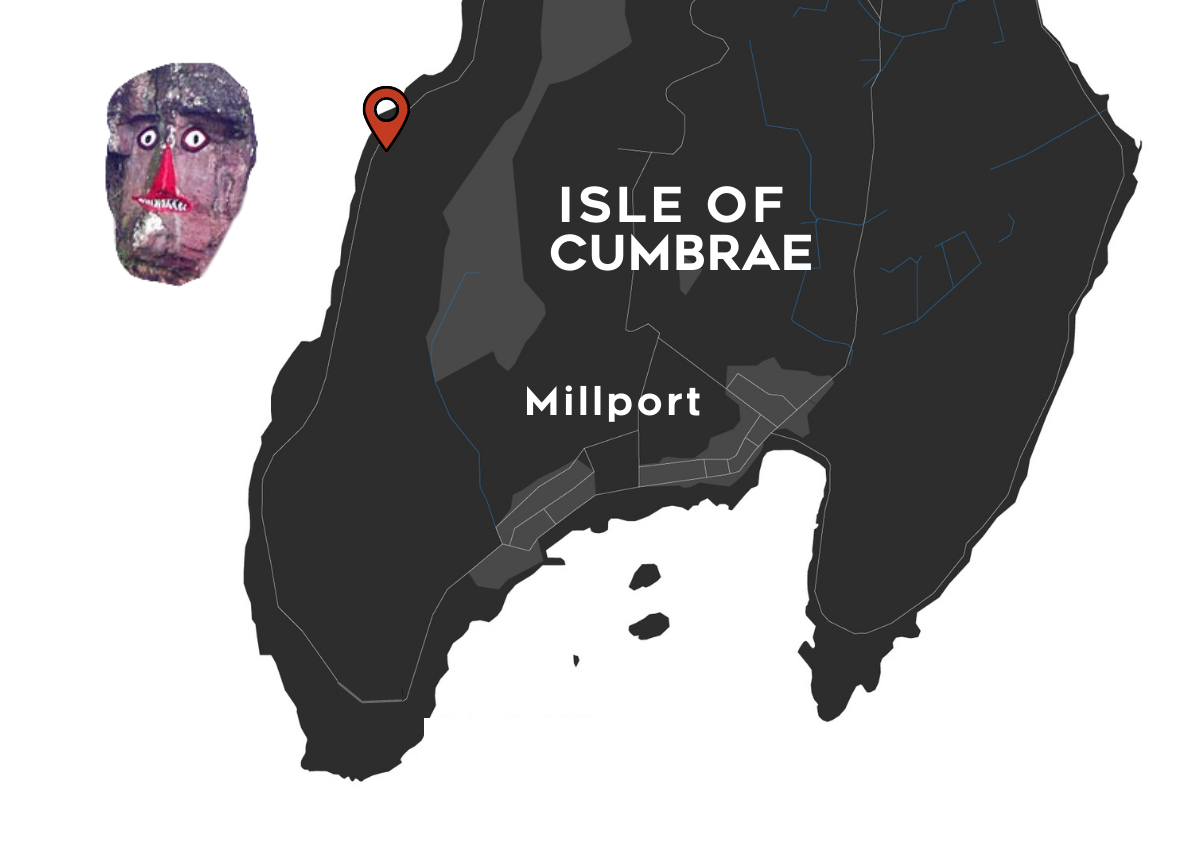
This guy was painted in the 1920’s and has been perched up there within the forestry ever since.
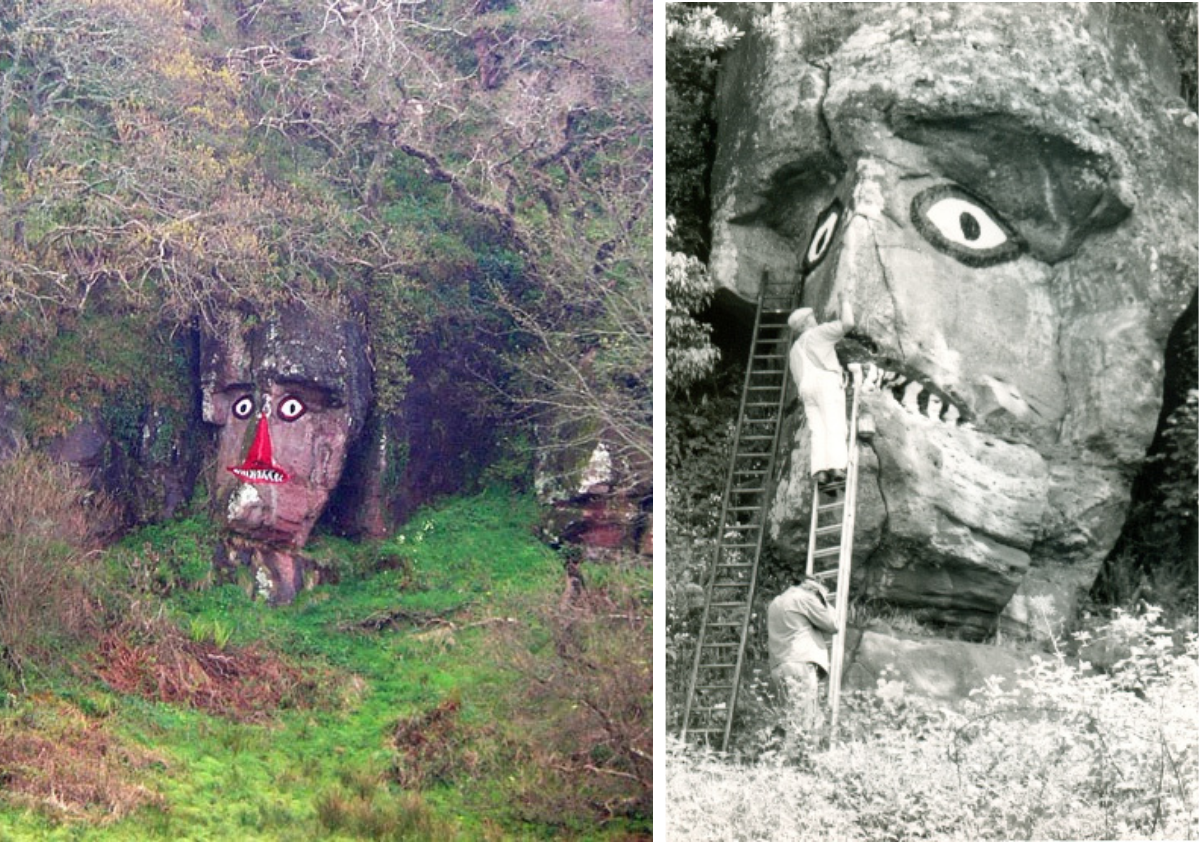
Legend says that it was first painted by a local man known as ‘Fern Andy’ who was apparently an old cave hermit. It is said that Fern Andy used to live in a cave on the west side of the island and would fashion fern baskets to sell to the local people – hence the name he acquired.
Supposedly, the ‘nose’ of the rock was first painted to be used as a guide for sailors coming into the stone jetty just up the coast. Then, the face came afterwords at some point in the 1920s, thanks to Millport’s famous cave hermit, Fern Andy.
Back to Menu ⤴️
The Glaidstone 🧭
Now, this one isn’t part of the famous ‘Cumbrae Rock Trio’, but it’s well worth a mention.
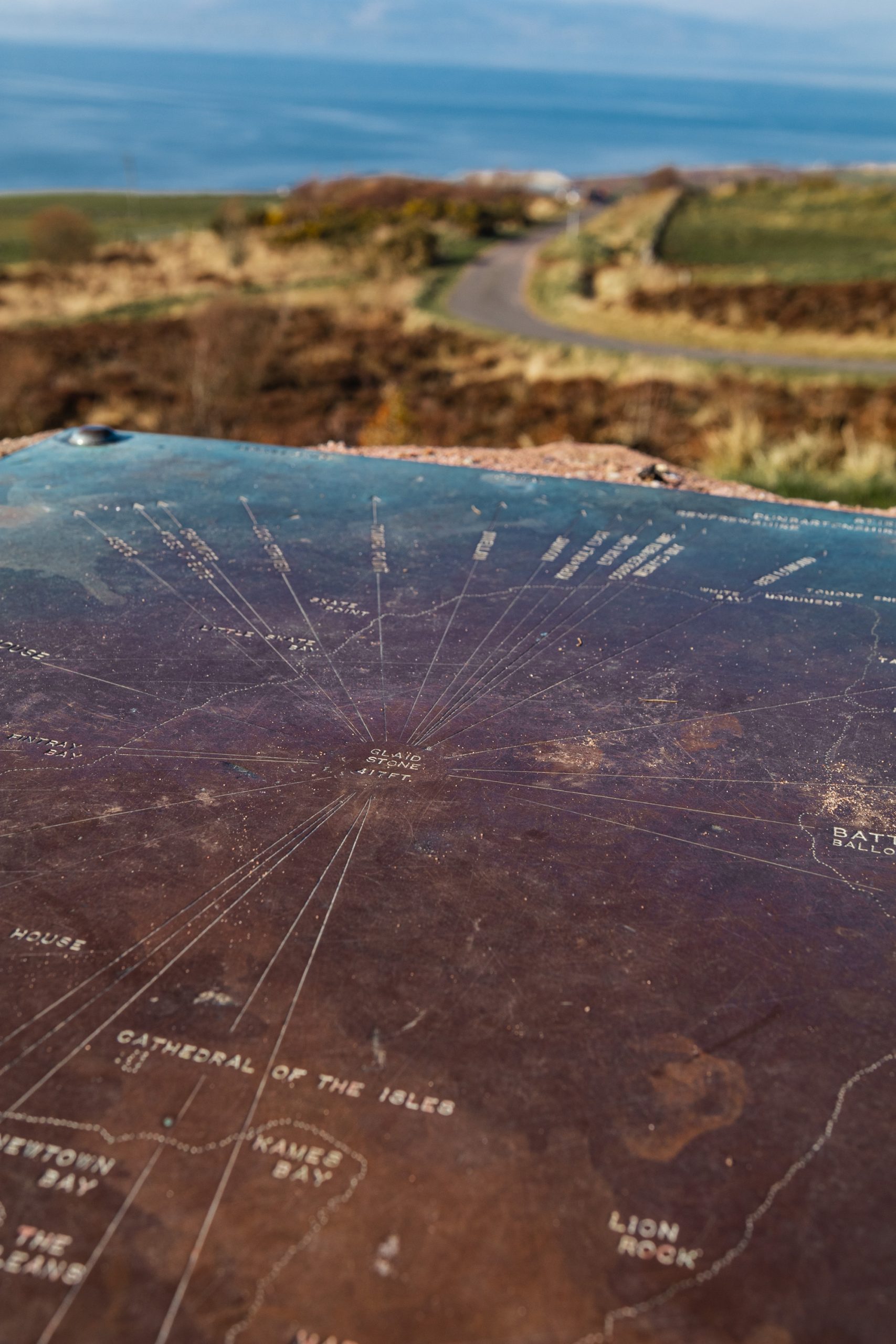
You can find the Glaidstone – pronounced ‘Glaid-stane’ – up at the very top of the island, which is at a height of 417 feet (127m). To put that into perspective, a Munro is anything over 3,000 feet so it’s certainly not the tallest peak in Scotland.
Saying that, the views you get are incredible, and it’s 100% worth the jaunt up to see it when you’re visiting the Isle of Cumbrae.
You’ll find the Glaidstone on the Inner Circuit walk.
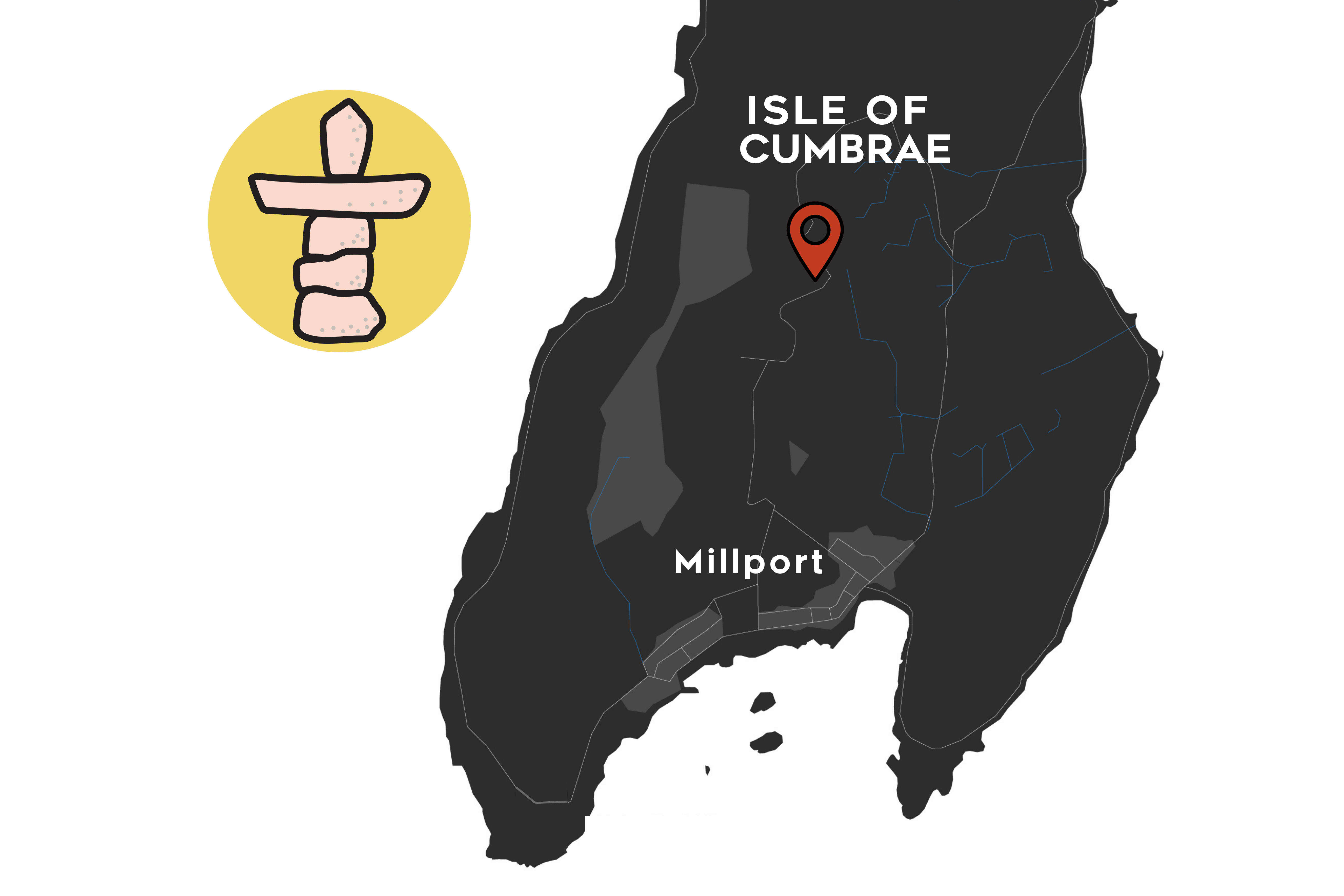
Once up there, you get the full benefit of 360-degree panoramic views around the island, the neighboring Clyde islands of Wee Cumbrae, Arran, Bute, and the mainland coast of North Ayrshire.
On a clear day, it’s nothing short of spectacular and you might be able to see as far south as Ailsa Craig.
Back to Menu ⤴️
Ultimate Guide to Millport, Isle of Cumbrae 📝
For everything you need to know about planning your visit to the island, check out our full guide: